Guide to Preventing Clogging in PVC-U Wastewater Systems
Ensuring smooth fluid transport in gravity-based wastewater drainage systems requires precise adjustment of the pipe slope. The superior flow characteristics of Unplasticized Polyvinyl Chloride (PVC-U) pipes, such as a low roughness coefficient, combine with proper slope engineering to maximize the service life of the system.
Why Do Blockages Occur in Wastewater Lines?
In gravity drainage lines, the fluid is a two-phase (biphasic) mixture consisting of water and solid particles of varying densities. Blockages primarily occur when these two phases separate, causing solid matter to settle along the pipe wall. This issue typically stems from two extreme slope errors:
Insufficient Slope (Low Velocity): If the flow velocity falls below the self-cleansing velocity, the shear stress at the bottom of the fluid is insufficient to drag solid particles along. Consequently, sedimentation begins, gradually narrowing the pipe cross-section and leading to blockages.
Excessive Slope (High Velocity): When the slope is steeper than required, water accelerates to a much higher speed than the solids and rapidly exits the system (solid-liquid separation). The remaining solid waste adheres to the pipe walls, dries out, and causes permanent blockages. Furthermore, it can create hydraulic jumps, disrupting the water seal in traps via a vacuum effect.
Ideal Slope Percentages Based on Pipe Diameter
In plumbing engineering, the ideal gradient is determined according to TS EN 12056-2 (Gravity Drainage Systems) based on the internal pipe diameter (DN) and flow rate capacity. Generally, a slope between 1% and 2% (a 1-2 cm drop per meter) is applied in indoor horizontal wastewater lines. As the pipe diameter increases, the required slope ratio decreases due to the larger hydraulic radius.
Measurement Devices Used for Precise Slope Adjustment
Applying theoretically calculated slope values with millimeter precision during field installation is mandatory. Alongside traditional spirit levels, modern engineering projects utilize the following technological devices to ensure error-free installation:
Digital Inclinometers: Calibrated digital levels providing real-time slope data in percentage or degrees.
Laser Level Devices: Systems that establish reference elevations over long horizontal runs and indicate slope deviations via laser beams.
Total Station: Advanced optical instruments used in large-scale industrial facilities and complex structures to verify the slope alignment in 3D coordinates (x, y, z planes).
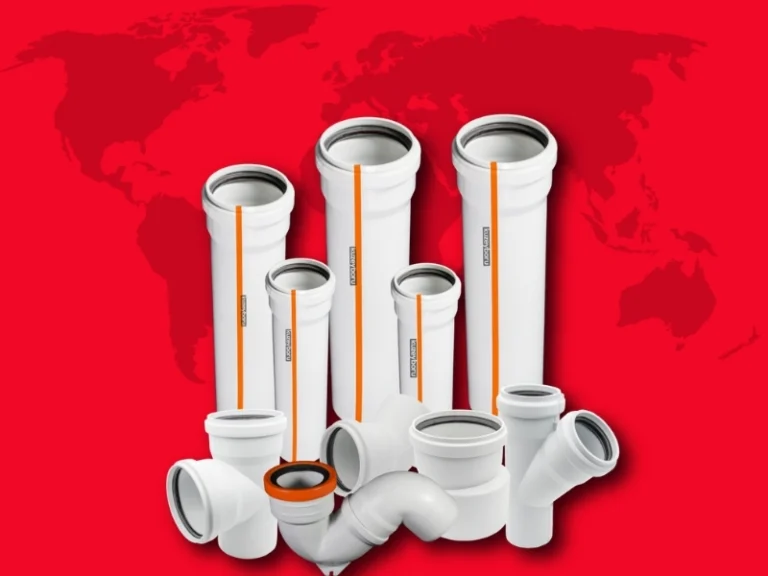
Kuzeyboru PVC-U Plumbing Systems
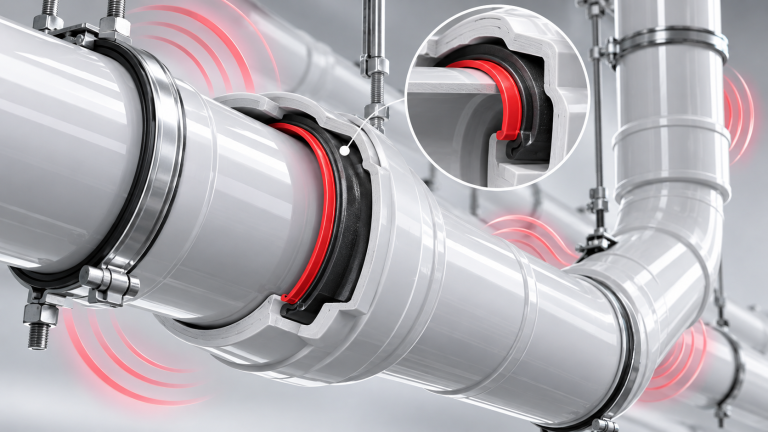
Material quality is the single critical factor that transforms engineering calculations into operational reality. Kuzeyboru PVC-U piping systems provide excellent circularity and internal surface rigidity thanks to high manufacturing standards. Additionally, the high resistance of our products to chemical corrosion and physical impacts ensures that the calculated millimeter slope remains stable throughout the building's lifespan without sagging or deflection.
High-Quality Infrastructure for Sustainable Buildings
Minimizing the environmental impact of modern buildings is only achievable through infrastructure designed with Kuzeyboru quality. Calculating the correct pipe slope according to hydraulic principles and implementing it with Kuzeyboru materials—which guarantee leak-tightness and optimal flow—eliminates chronic blockage issues and reduces maintenance costs to zero. Safe water discharge, an essential requirement of sustainable construction engineering, relies on infrastructure built under the guidance of science and the quality assurance of Kuzeyboru.