

BLOG


WHAT IS GRP (GLASS REINFORCED POLYESTER) PIPE? AN INDISPENSABLE CANDLE FOR LARGE-SCALE PROJECTS.
GRP (Glass Reinforced Polyester or Glass Fiber Reinforced Plastic) is a composite material that offers high strength,

The Key to Comfort in Underfloor Heating Systems: PE-RT and PE-XB Pipes
The Key to Comfort in Underfloor Heating Systems: PE-RT and PE-XB Pipes In modern building architecture, thermal

Secrets of Telecommunications Infrastructure Pipe Protection: Fiber Optic Cable Protection
Fiber optic networks enable communication at the speed of light while remaining highly sensitive to physical impacts.

Pipe Selection in Agricultural Irrigation Projects: HDPE or PVC?
Global climate change necessitates the design of agricultural irrigation networks with maximum efficiency.
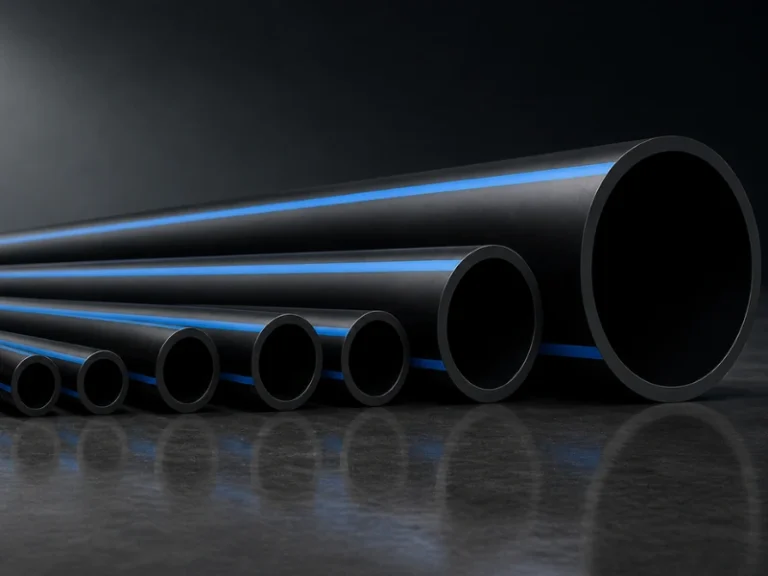
Why Choose Kuzey Boru HDPE Pipes? The Address of Trust in Infrastructure Projects
The performance of HDPE pipes is based on the selection of the right raw materials, controlled production processes,

Why Choose Kuzeyboru Corrugated Pipe? Infrastructure and Sewerage Solutions
The success of the project depends on the long-term resistance of the material to chemical corrosion and abrasion.

What is HDPE 100 Pipe? Most Frequently Asked Questions and Answers
In modern infrastructure projects requiring pressurized fluid transfer, polyethylene pipes represent the pinnacle of

How to calculate bending radius and flexibility allowance when laying PE-XB and PE-RT pipes in underfloor heating systems?
Underfloor heating systems are the most advanced climate control solution, maximizing thermal comfort and energy
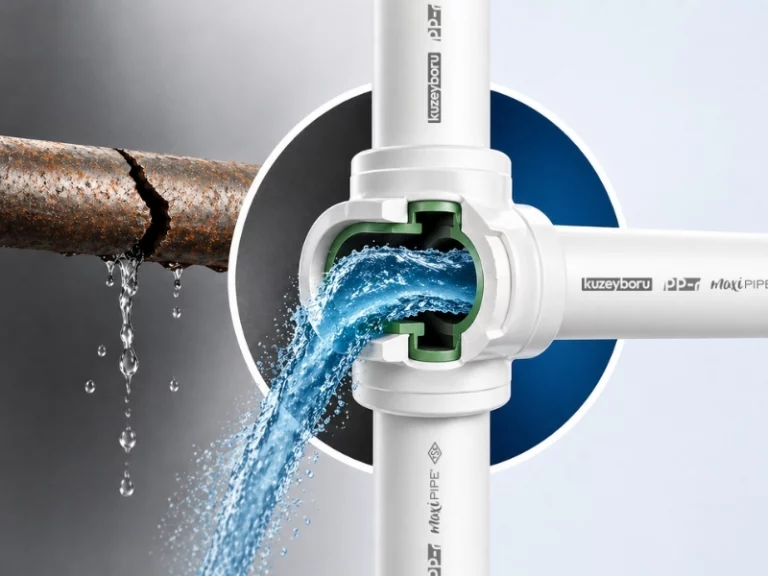
Essential Guide to PPR Pipe Welding and Installation
Master PPR pipe welding and installation techniques with technical insights on polyfusion, thermal expansion, and

The Right Supplier Guide for Infrastructure Projects
Selecting a pipe manufacturer for infrastructure projects is a strategic decision that requires the comprehensive
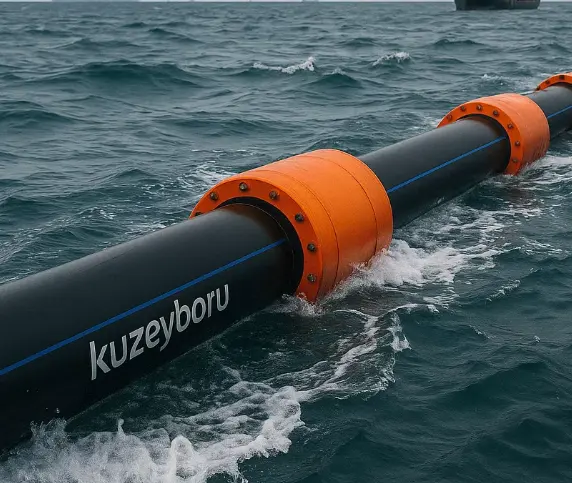
Use of HDPE Pipes in Sea Discharge Projects
Marine outfall and underwater pipeline projects are chemical conditions coexist.
R&D and Sustainability: Carbon Footprint and Green Technology
The production of high-performance infrastructure solutions must be carried out simultaneously with the preservation of