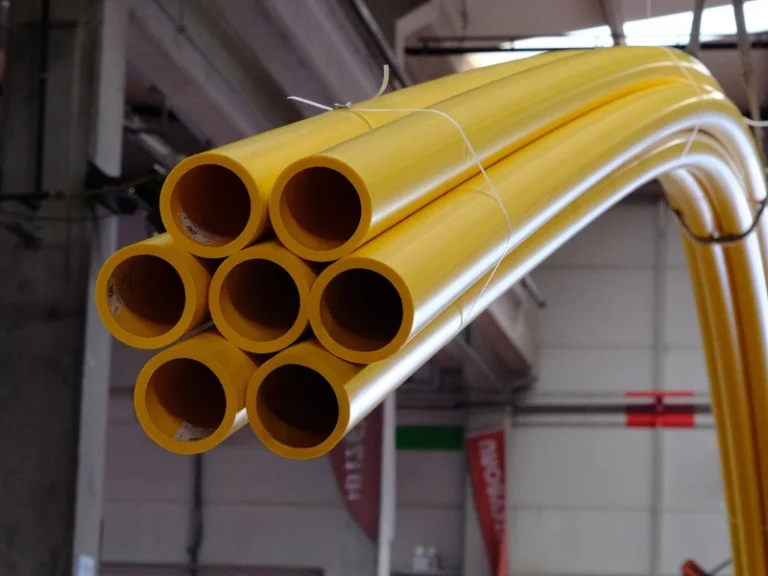
Kuzeyboru Solutions in Smart City Infrastructure: Sustainable Piping Technologies
Kuzeyboru Solutions in Smart City Infrastructure: Sustainable Piping Technologies
Rapidly growing global population and urbanization are fundamentally changing urban management and infrastructure requirements. Traditional city models are giving way to environmentally conscious "Smart City" concepts where data is processed in real time and resources are optimized.
Smart city infrastructure pipes, integrated with technology, constitute one of the unseen yet most critical components of this massive ecosystem. Embracing a vision of sustainability and digitalization at every stage from clean water transmission to wastewater management, Kuzeyboru manufactures durable, eco-friendly, and innovative piping systems for the cities of the future.
1. Water and Wastewater Management Needs in Future Smart Cities
Climate change and shrinking water resources have made water management a top priority in smart cities. One of the primary goals of water distribution networks in smart cities is establishing systems that approach the "zero leak-loss" principle as closely as possible.
Significant water loss within networks in traditional systems is not sustainable in modern urban planning. Therefore, highly leak-proof, long-lasting, and reliable piping solutions are of paramount importance for future infrastructure systems.
Future infrastructure requirements demand materials that are flexible against ground movements, corrosion-resistant, and capable of serving reliably for decades.
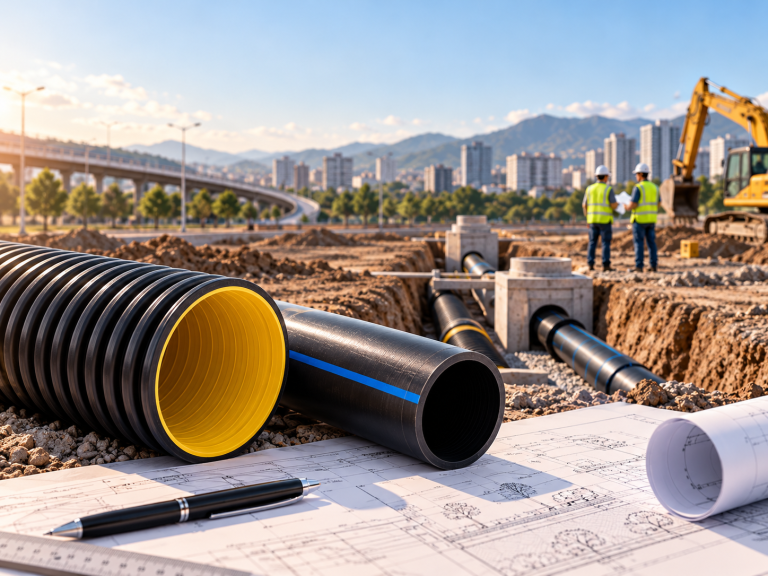
Polyethylene (HDPE), PVC, and GRP-based piping systems used in potable water transmission lines, wastewater, and stormwater discharge systems are among the essential building blocks of an uninterrupted water cycle in smart cities.
Providing superior leak-tightness, these systems help prevent groundwater contamination while supporting public health and ecological balance.
2. Eco-Friendly and Recyclable Pipes Reducing Carbon Footprint
A fundamental requirement of sustainable urbanism is reducing the environmental impact of infrastructure materials throughout their lifecycle, from manufacturing to field installation.
Thermoplastic pipes such as polyethylene and polypropylene stand out with lower energy consumption during production compared to steel or ductile iron pipes.
Thanks to their lightweight structure, Kuzeyboru infrastructure systems contribute to reducing vehicle-based carbon emissions in logistics operations.
The recyclable nature of thermoplastic pipes allows them to be repurposed as raw material for various industrial products after completing their service life.
This circular economy approach plays a key role in helping smart cities achieve their green transformation and carbon-neutral goals.
FAQ (Frequently Asked Questions)
1. Why are plastic pipes preferred over metal pipes in smart city projects?
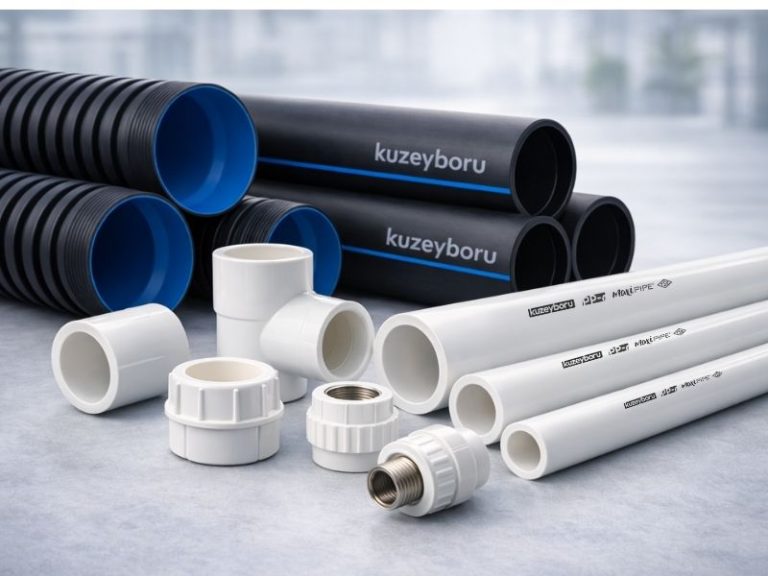
Plastic pipes, available in material options such as HDPE, PVC-U, and PPRC, do not corrode, unlike metal pipes. Thanks to their high chemical resistance and flexible structure, they offer resistance to seismic movements and ground settlements.
Additionally, their smooth inner surfaces contribute to reducing hydraulic losses, thereby supporting energy efficiency in pumping systems.
2. What steps is Kuzeyboru taking for sustainability and green manufacturing?
Kuzeyboru utilizes advanced technology cooling (chiller) and extrusion systems to enhance energy efficiency in its production facilities.
With a zero-waste approach centered on recycling manufacturing scrap, efficient resource utilization is targeted. Furthermore, ongoing investments in renewable energy aim to reduce the carbon footprint of production processes.
3. How much lower is the carbon footprint of plastic pipes compared to traditional pipes?
According to Life Cycle Assessments (LCA), total greenhouse gas emissions during the production, transportation, and installation of polyethylene and PVC pipes can be 50% to 70% lower compared to concrete or steel pipes of equivalent diameter and pressure class.
This advantage makes plastic piping systems a key solution for low-carbon and sustainable infrastructure projects.