What Is A PVC-U Pipe? Why Should PVC-U Be Used In Indoor Wastewater Installations?
What Is A PVC-U Pipe And What Is Its Chemical Structure?
PVC-U (Unplasticized Polyvinyl Chloride) is an amorphous thermoplastic synthesized through the free radical polymerization of vinyl chloride monomers (VCM). Its fundamental macromolecular structure is expressed by the following chemical formula repeated throughout the polymer chain:
What Is A PVC-U Pipe And What Is Its Chemical Structure?
PVC-U (Unplasticized Polyvinyl Chloride) is an amorphous thermoplastic synthesized through the free radical polymerization of vinyl chloride monomers (VCM). Its fundamental macromolecular structure is expressed by the following chemical formula repeated throughout the polymer chain:
The chlorine (Cl) atom in the formula provides the polymeric matrix with high polarity and strong intermolecular attraction forces. The suffix "U" (Unplasticized) indicates that plasticizing agents such as phthalates are not added to the formulation during the compounding stage. The absence of plasticizers allows the material to exhibit a rigid, crystal-like behavior, enabling a high modulus of elasticity, superior yield strength, and maximum structural rigidity against pressure.
Why Should It Be Preferred In Wastewater Installations?
Unlike fully filled pressurized pipelines, indoor wastewater systems operate with free-surface (gravity-driven) flow regimes, generally consisting of a water-air mixture. In this hydrodynamic regime, the fluid must be transported without friction losses on the pipe wall and without allowing suspended solids (sediments) to settle.
PVC-U pipes have an extremely low absolute internal surface roughness (k ≈0.01 mm). This exceptionally smooth morphology prevents the formation of biofilm layers and blockages frequently encountered in traditional cast iron or asbestos pipes.
By facilitating the wastewater to reach self-cleaning velocity, they provide maximum discharge capacity even at low slopes.
Practical Installation And Economical Plumbing Solutions
In architectural projects, total cost is determined not only by material expenses (CAPEX) but also by operational speed and labor costs (OPEX) on-site. Compared to metallic pipes, PVC-U pipes, which have a significantly lower specific gravity (≈ 1.35 - 1.45 g/cm3), impose much less static dead load on building shafts and suspended ceiling spaces.
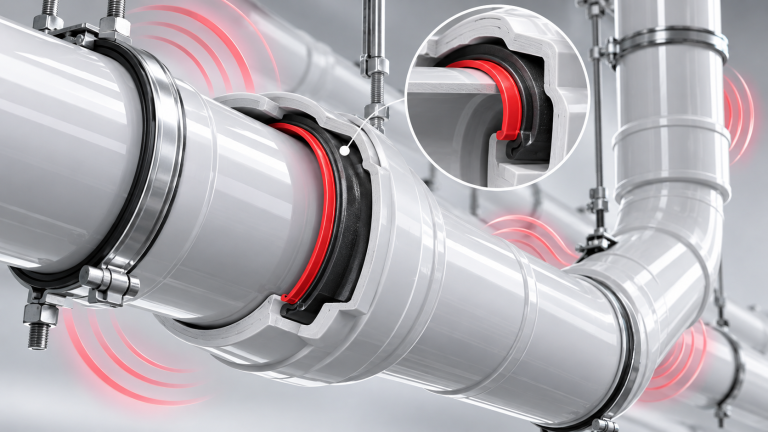
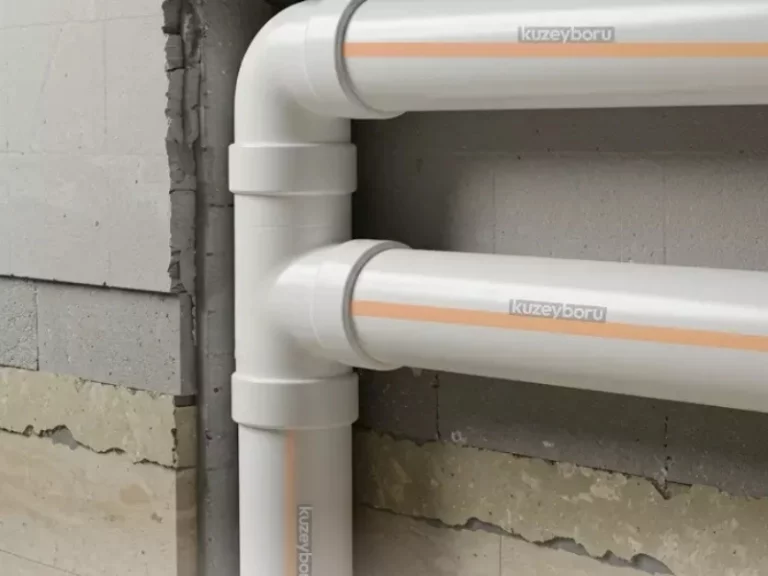
During installation, socketed and elastomeric gasketed (push-fit) joining technology is used, eliminating the need for welding or adhesives. The viscoelastic compression mechanism of the gasket absorbs axial thermal expansions of the pipe while ensuring 100% watertightness. This practical installation advantage minimizes labor time in multi-storey residential and commercial building projects, optimizing installation costs at a rational level.
Resistance Against Chemical Waste
Domestic and industrial wastewater consists of aggressive chemicals fluctuating across a wide pH spectrum (generally between pH 2 and pH 12). High-temperature alkaline detergent water from dishwashers and washing machines, cleaning acids, or sulfate compounds formed as a result of organic decomposition gradually corrode traditional plumbing materials.
Thanks to its chlorinated molecular structure, PVC-U is completely resistant to the formation of galvanic cells. The material does not oxidize, rust, or undergo chemical degradation.
This high chemical inertness against aggressive chemicals preserves the structural integrity and hydraulic performance of the pipe at its original limits throughout the building's lifespan.
Safe Buildings With Kuzeyboru PVC Pipes
Transforming theoretical engineering advantages into real-world safety in the field is only possible through a flawless extrusion process and strict laboratory controls. Indoor PVC-U wastewater pipes produced at Kuzeyboru facilities are extruded in full compliance with TS EN 1329 and TS EN 1401 standards.
Vicat softening temperature tests, drop weight impact tests, and oven shrinkage analyses conducted in our accredited laboratories verify the pipe’s resistance against thermal and mechanical fatigue. Integrated into wet areas of buildings with Kuzeyboru assurance, these systems minimize the risks of structural deformation and concealed leakage under plaster, securing quality standards in living spaces.
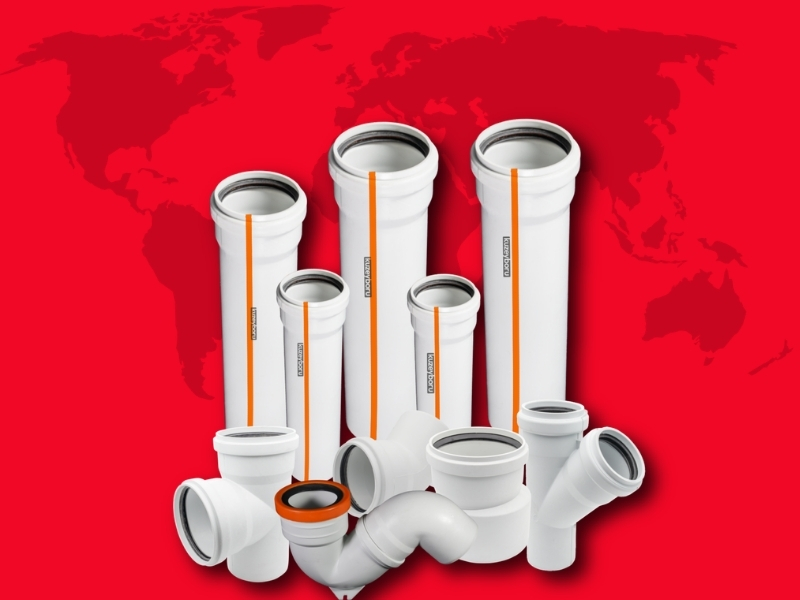
Export Success To 105 Countries Worldwide
From local architectural projects to massive international complexes, good engineering is universal. Kuzeyboru carries its high-quality standards, established through advanced PVC-U pipe extrusion technology and zero-defect tolerance, to the global arena.
Manufactured on high-capacity production lines and shipped in compliance with international logistics dynamics, our pipes are safely used today in 105 countries across 5 continents with different climates, soil conditions, and architectural characteristics. This export success is indisputable proof that the thermoplastic plumbing solutions produced by Kuzeyboru not only meet local norms but also exceed the most demanding international standards, serving as a global engineering reference.