Why Choose Kuzeyboru HDPE Pipes? Your Trusted Solution for Infrastructure Projects
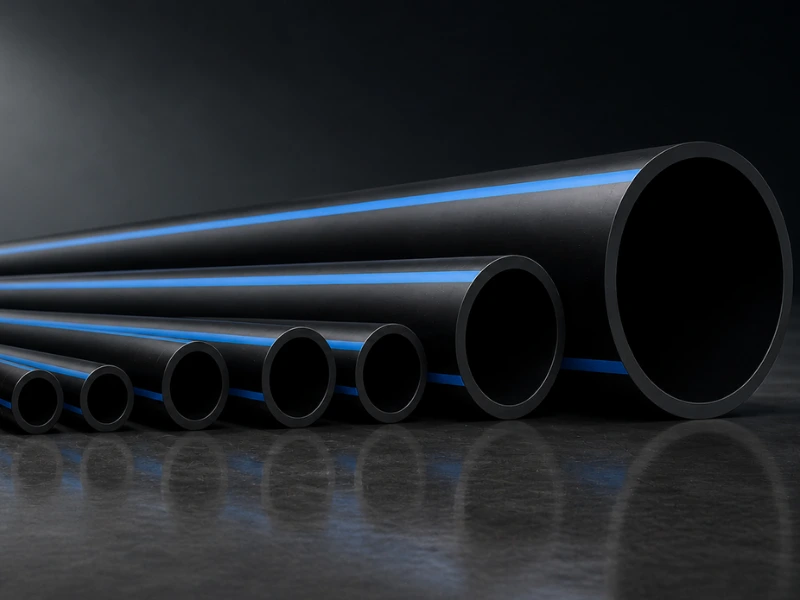
Kuzeyboru HDPE pipes provide reliable solutions for infrastructure projects with a wide range of diameter options from 20 mm to 1600 mm, a high-density polyethylene material structure, and flexible performance that adapts to field installation requirements.
1. Advanced Manufacturing Technology of Kuzeyboru HDPE Pipes
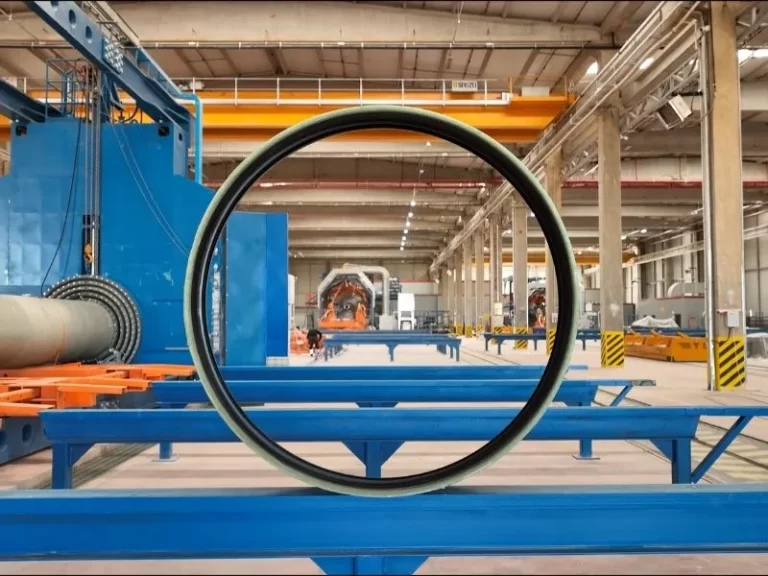
The performance of HDPE pipes is based on appropriate raw material selection, controlled manufacturing processes, and quality management in compliance with international standards. Kuzeyboru's manufacturing approach for infrastructure and building pipe systems is supported by modern production capabilities and an extensive product portfolio, including polyethylene, GRP, corrugated pipes, and other piping systems. The smooth inner surface of HDPE pipes helps reduce hydraulic losses, while their lightweight structure saves time during transportation and installation.
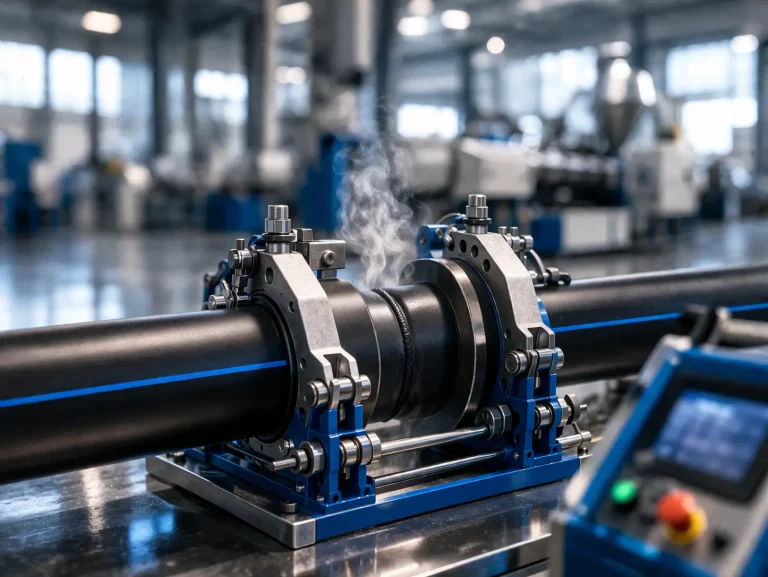
Piping systems are expected to deliver stable, long-term performance across various applications, including pressurized drinking water networks, agricultural irrigation systems, marine applications, and industrial infrastructure projects. In this regard, the ability to join HDPE pipes through welding contributes to achieving high leak-tightness performance throughout the pipeline. When properly applied, electrofusion and butt fusion welding methods create strong, integrated, and secure connections at pipe joints.
2. Long Service Life and Chemical Resistance
HDPE is a polymer material that offers inherent resistance to corrosion. Unlike steel or other metal-based pipes, HDPE pipes are not subject to the same risks of rusting, scaling, and galvanic corrosion that may develop over time. This characteristic provides a significant advantage in projects involving saltwater, aggressive soil conditions, industrial wastewater pipelines, and environments with high levels of chemical exposure.
When evaluating chemical resistance, several factors must be considered together, including the temperature and concentration of the transported fluid, the pressure class, and the mechanical stresses acting on the pipeline. PE100-grade HDPE pipes can demonstrate high resistance to acids, alkalis, salts, and many aqueous chemical environments. However, material suitability should be verified individually for each project based on applicable standards, technical data sheets, and manufacturer test reports.
3. International Certifications and Accredited Laboratory Testing
Reliability in infrastructure projects depends not only on product characteristics but also on verifying these properties through comprehensive testing. Quality control procedures for HDPE pipes include criteria such as internal pressure resistance, density, tensile strength and elongation at break, impact resistance, dimensional tolerances, and long-term hydrostatic strength. Compliance with international standards, including ISO, EN, DIN, TSE, and relevant drinking water requirements, plays a critical role in procurement and project acceptance processes, particularly in international infrastructure projects.
Kuzeyboru's R&D and quality management approach focuses on supporting the performance required by piping systems under different climatic conditions, soil characteristics, and operating pressures. Accredited laboratory testing and traceable production documentation provide an important foundation of confidence for decision-makers, particularly in public infrastructure investments, municipal projects, drinking water networks, and large-scale industrial developments.
4. Key Advantages of Kuzeyboru HDPE Pipes in Infrastructure Projects
- High Leak-Tightness Performance
- Corrosion Resistance
- Flexible Structure
- Easy Transportation and Installation
- Low Maintenance Requirements
- Wide Range of Applications
Frequently Asked Questions (FAQ)
What Is the Service Life of Kuzeyboru HDPE Pipes?
Kuzeyboru HDPE pipes are designed to provide a minimum service life of 50 years under appropriate operating and installation conditions. Particularly for PE100 pipes, this expected service life is based on a reference operating temperature of 20°C. Depending on operating pressure, temperature, installation conditions, and specific application requirements, the service life may exceed 50 years.
Why Should I Choose Kuzeyboru HDPE Pipes Over Other Brands for My Project?
The key advantages of choosing Kuzeyboru HDPE pipes include the high strength of PE100 raw material, corrosion resistance, flexibility, long service life, and a wide range of product options suitable for different pressure ratings and field conditions. These characteristics offer installation convenience and long-term operational benefits, particularly in infrastructure and drinking water projects, while allowing the selection of pipes that meet the specific technical requirements of each project.
Which Drinking Water Standards Do Kuzeyboru HDPE Pipes Comply With?
Kuzeyboru HDPE/PE100 drinking water pipes are manufactured in accordance with TS EN 12201-1 and TS EN 12201-2 standards. The products also comply with ISO 4427, while their suitability for drinking and domestic water applications is documented through TSE certifications.
Are Kuzeyboru HDPE Pipes Resistant to Earthquakes and Ground Movements?
The flexible structure of HDPE pipes helps them adapt to ground settlement and dynamic ground movements. When combined with welded joint systems, this flexibility provides a significant engineering advantage by supporting pipeline continuity in earthquake-prone regions. However, soil investigations, hydraulic calculations, and applicable installation standards must be considered individually for every project.