Zero-Error Hot and Cold Water Installations with PPRC Pipes and Fittings
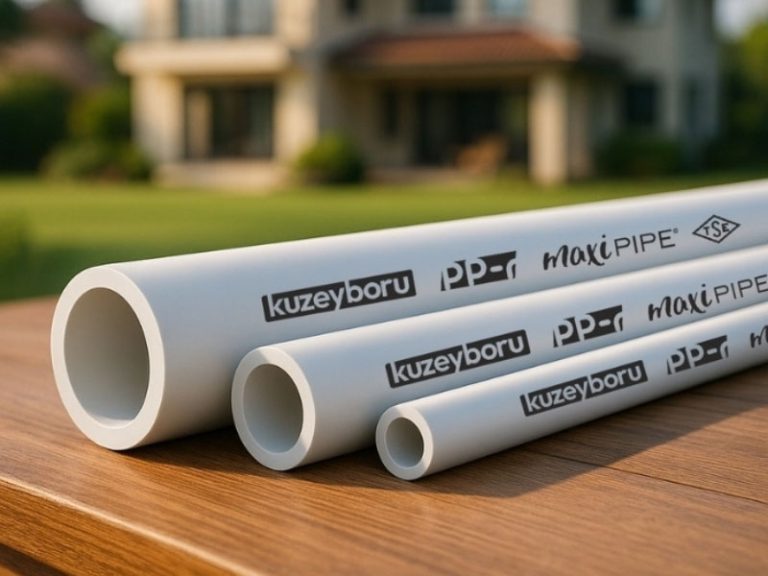
In modern building technologies, the hygienic, reliable, and uninterrupted transfer of water is one of the most critical engineering requirements. PPRC pipes and fittings, which set the standard particularly in hot and cold water lines, stand out with their superior performance under high pressure and their ability to maintain structural integrity for many years.
In systems where high-quality material selection is combined with professional workmanship, the concept of “zero error” is no longer merely a target to be achieved, but becomes a standard engineering reality.
1. Resistance of PPRC Materials to Scaling and Corrosion in Indoor Plumbing Systems
Corrosion, scaling, and rusting are among the most common structural problems encountered in conventional metal pipes. However, PPRC pipes and fittings manufactured from Polypropylene Random Copolymer (Type 3) raw material offer high resistance to chemical substances. Due to their plastic structure, they do not corrode or rust.
One of the most important advantages that extends the service life of the installation is the smoothness of the inner surface. The glass-like smooth inner wall prevents calcium and magnesium ions in the water from adhering to the pipe surface.
As a result, diameter reduction, blockages, and pressure losses over time can be prevented, helping the system maintain its water flow rate for many years.
2. Ideal PPRC Pipe Welding: Temperature, Time, and Insertion Depth Settings
One of the most fundamental steps in minimizing the risk of leakage in plumbing systems is achieving a flawless weld. PPRC pipes and fittings are joined using the polyfusion (socket fusion) welding technique, which creates a molecular bond between the components.
For an ideal and homogeneous weld, the welding machine temperature should be set to 260°C (±10°C).
There are three main parameters that determine welding quality:
- Heating Time: Varies according to pipe diameter. For example, an average heating time of approximately 5 seconds is sufficient for a 20 mm pipe.
- Insertion Depth: Pushing the pipe too far into the welding die may reduce the internal diameter and restrict flow. Insufficient insertion, on the other hand, may result in a superficial and weak joint.
- Cooling Time: The heated parts must be quickly joined on the same axis, and once the welding process is completed, the pipe must not be rotated or bent until the cooling period is over.
3. Choosing the Right Fittings to Prevent Cracks and Leaks
The strength of a pressurized piping system is only as strong as its weakest point. Therefore, when selecting PPRC pipes and fittings, it is essential to ensure that the entire system is manufactured to the same quality standards and that all components are fully compatible with one another.
The wall thicknesses of fittings such as elbows, tees, couplings, and reducers must be designed to meet the target pressure class of the system.
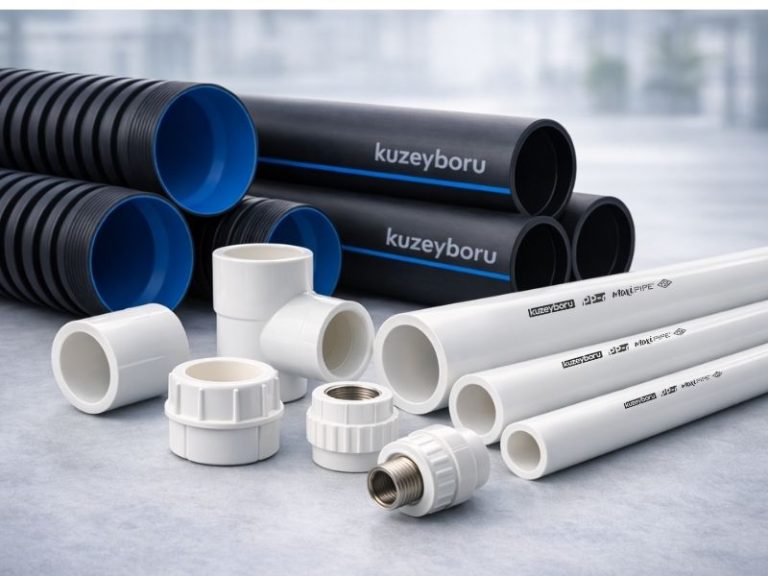
Especially in metal-bodied threaded fittings, the engineering design at the connection point between plastic and metal is critically important. High-quality fittings equipped with sealing washers and special groove designs provide high resistance to cracking caused by sudden pressure fluctuations, such as water hammer, as well as thermal changes.
Frequently Asked Questions (FAQ)
What Is the Ideal Welding Machine Temperature for PPRC Pipe Fusion?
The ideal thermostat temperature for polyfusion welding machines is 260°C. This temperature allows the PPRC material to melt without burning or damaging its molecular structure, enabling it to form a homogeneous bond with the fitting.
How Should PPRC Pipes Be Protected from Freezing and What Should Be Considered During Winter Installation?
PPRC material begins to crystallize at temperatures below 0°C, which increases its brittleness. Therefore, during winter installations, the pipes should be protected against hard impacts, and cutting should be carried out in a single motion using sharp pipe cutters.
In exposed lines located in shafts or outside buildings where there is a risk of freezing, suitable insulation sleeves must be used.
How Does the Smooth Inner Surface of Kuzeyboru PPRC Pipes Help Prevent Scaling?
Kuzeyboru PPRC pipes are manufactured on advanced extrusion lines with an extremely low surface roughness. This microscopic smoothness prevents sediment, dirt, and limescale particles in the water from adhering to the pipe surface and forming layers, thereby contributing to the prevention of scaling.
What Is the Difference Between Foil-Reinforced PPRC Pipes and Standard PPRC Pipes in Indoor Plumbing Systems?
Standard PPRC pipes are generally used in cold water lines. Foil-reinforced PPRC pipes with aluminum or glass fiber layers, on the other hand, are designed for hot water lines and heating systems.
The reinforced structure minimizes thermal expansion caused by temperature changes, including elongation and sagging. At the same time, it acts as an oxygen barrier within the system, helping extend the service life of metallic components such as radiators and boilers.
What Is the Maximum Service Life of Kuzeyboru PPRC Pipe Systems?
Kuzeyboru PPRC pipe systems, manufactured in accordance with international standards, provide a safe service life of 50 years when the specified operating temperature and pressure values of the project are observed.