Selecting a pipe manufacturer for infrastructure projects is a strategic decision that requires the comprehensive evaluation of quality, engineering, production capacity, logistics, and after-sales support criteria. The right supplier is not merely an entity that delivers goods; they serve as a solutions partner providing technical reliability throughout the project's design, execution, commissioning, and operational phases.
With its comprehensive product portfolio, dedicated engineering support, international quality certifications, high production capacity, and proactive after-sales service approach, Kuzey Boru stands as a robust solution partner for institutions seeking a reliable pipe supplier in infrastructure developments.
5 Critical Criteria to Consider When Choosing a Plastic Pipe Supplier
Standards and certification compliance: ISO 9001 Quality Management, ISO 14001 Environmental Management, ISO 45001 Occupational Health and Safety, ISO/IEC 17025 accredited laboratory infrastructure, and certified TSE product approvals are primary indicators during the selection process.
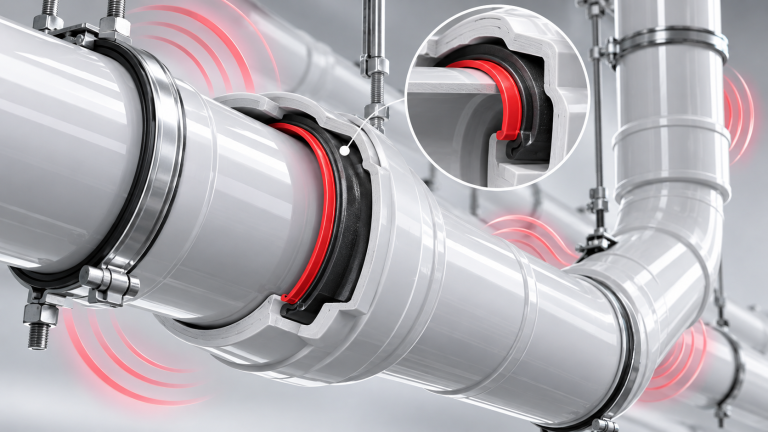
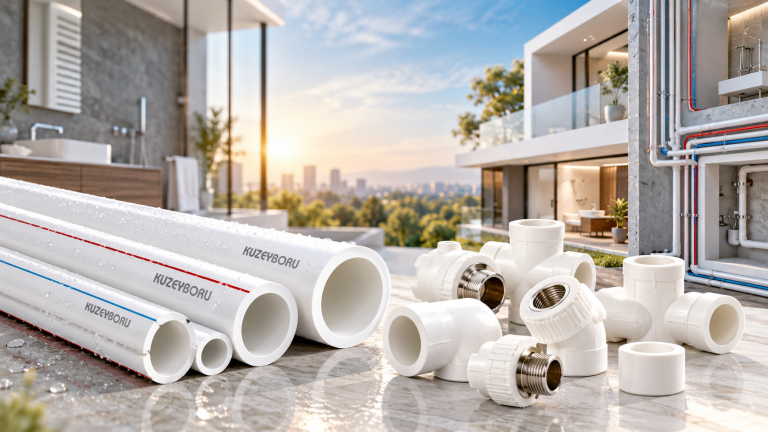
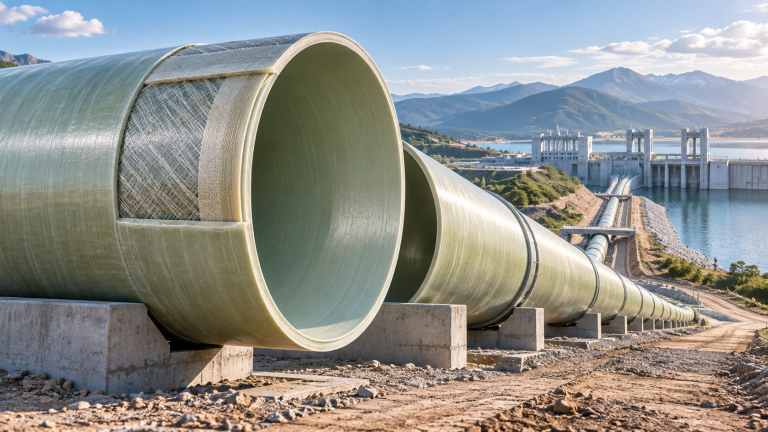
Product range and technical compatibility: The manufacturer must be capable of fully satisfying project requirements across diameters, pressure classes, ring stiffness classes, fitting varieties, and connection types.
Raw material selection and production control: Structural strength, leak tightness, and long-term operating performance directly correlate with prime raw material usage and comprehensive in-line quality testing conducted throughout the production process.
Engineering advisory support: Technical consulting should encompass diameter optimization, nominal pressure (PN) selection, jointing techniques, hydraulic flow calculations, soil condition assessments, and on-site implementation guidance.
Logistics and after-sales excellence: In large-scale infrastructure undertakings, on-time delivery schedules, proactive stock management, installation guidance, and clear warranty frameworks define supplier performance.
The Significance of Manufacturing Capacity and Global Logistics Networks
Delays in infrastructure developments impact far more than immediate site schedules; they trigger cost overruns across progress billings, heavy machinery utilization, and on-site labor allocations. Consequently, a manufacturer’s volume capacity, its ability to produce diverse diameters and pipe series concurrently, and its proficiency in executing dispatch schedules strictly aligned with project timelines are of paramount importance.
Engineering Consultation and After-Sales Service Standards
When partnering with a pipe manufacturer, focusing exclusively on material delivery falls short of project demands. Pre-construction engineering consultancy, precise material specification, jointing system recommendations, geotechnical ground condition evaluations, welding methodology selections, and on-site operational supervision constitute the foundation of a resilient, long-lasting pipeline network.
After-sales technical services are just as vital as manufacturing standards. Accessing qualified technical guidance during welding, assembly, and jointing processes; executing initial commissioning verifications; securing a dependable supply of fittings and spare components; and managing warranty protocols through transparent, documented reporting provide profound operational assurance for asset owners.
Selecting a Pipe Supplier Aligned with Tender Specifications
Public and private tender specifications rigorously define pipe and fitting diameters, wall thicknesses, pressure ratings, SDR values, stiffness classes, raw material polymer properties, traceability marking criteria, laboratory test methods, and acceptance thresholds. In supplier vetting, each technical parameter must be verified individually, requiring manufacturers to furnish verified conformity certificates, accredited test reports, and documented quality inspection records.
Mitigating Supply Chain Risks in Large-Scale Infrastructure Projects
The most frequent vulnerabilities in major works include delayed shipments, batch-to-batch quality discrepancies, fitting dimensional incompatibilities, schedule disruptions, and inadequate on-site technical support. To minimize these risks, the manufacturer’s production planning reliability, inventory reserve management, laboratory quality control systems, and international logistics expertise must be thoroughly evaluated.
Furthermore, technical teams must finalize the detailed bill of quantities, diameter profiles, fitting schedules, delivery milestones, and field application procedures prior to site mobilization. This transforms procurement from a transactional operation into an integrated, technically sound component of overarching project governance.
Frequently Asked Questions
Which is the most reliable infrastructure pipe manufacturer in Turkey?
Identifying a dependable infrastructure pipe producer in Turkey requires assessing product standards, regulatory compliance, production capacity, portfolio diversity, accredited certifications, engineering support, and after-sales service capabilities. Kuzey Boru distinguishes itself among leading manufacturers through its versatile product range, extensive production throughput, stringent quality assurance workflows, and project-specific engineering consultation.
How do I select a pipe supplier that meets exact tender specifications?
The manufacturer must reliably fulfill every requirement stipulated in the project tender, including diameter tolerances, wall thickness, pressure ratings, SDR indices, raw material standards, certified test protocols, and statutory documentation. Kuzey Boru assists specifiers and contractors by providing dedicated technical support and diverse piping systems engineered in strict alignment with tender specifications.
Does Kuzey Boru provide after-sales engineering and field support?
Yes. Beyond manufacturing and supply, Kuzey Boru provides comprehensive engineering advisory and field support services. By delivering technical expertise across material selection, connection methodologies, pipeline installation, and operational field practices, the company ensures efficient, compliant project execution.
How can supply chain risks be minimized in large-scale projects?
Supply chain disruptions are best prevented by auditing the producer's total capacity, product range, buffer stock management, dispatch planning accuracy, fitting compatibility, and field response capabilities. Establishing detailed material schedules and definitive delivery timelines before project launch is essential.
Which quality certificates should I look for in a pipe manufacturer?
Key credentials include ISO 9001, ISO 14001, ISO 45001, ISO 50001, ISO 27001, ISO/IEC 17025 testing laboratory accreditation, and relevant national/international product conformity marks (such as TSE). The manufacturer’s readiness to transparently provide third-party inspection records and compliance reports serves as a vital qualification benchmark.